
Manufacturing
Life-cycle assessment
ESG
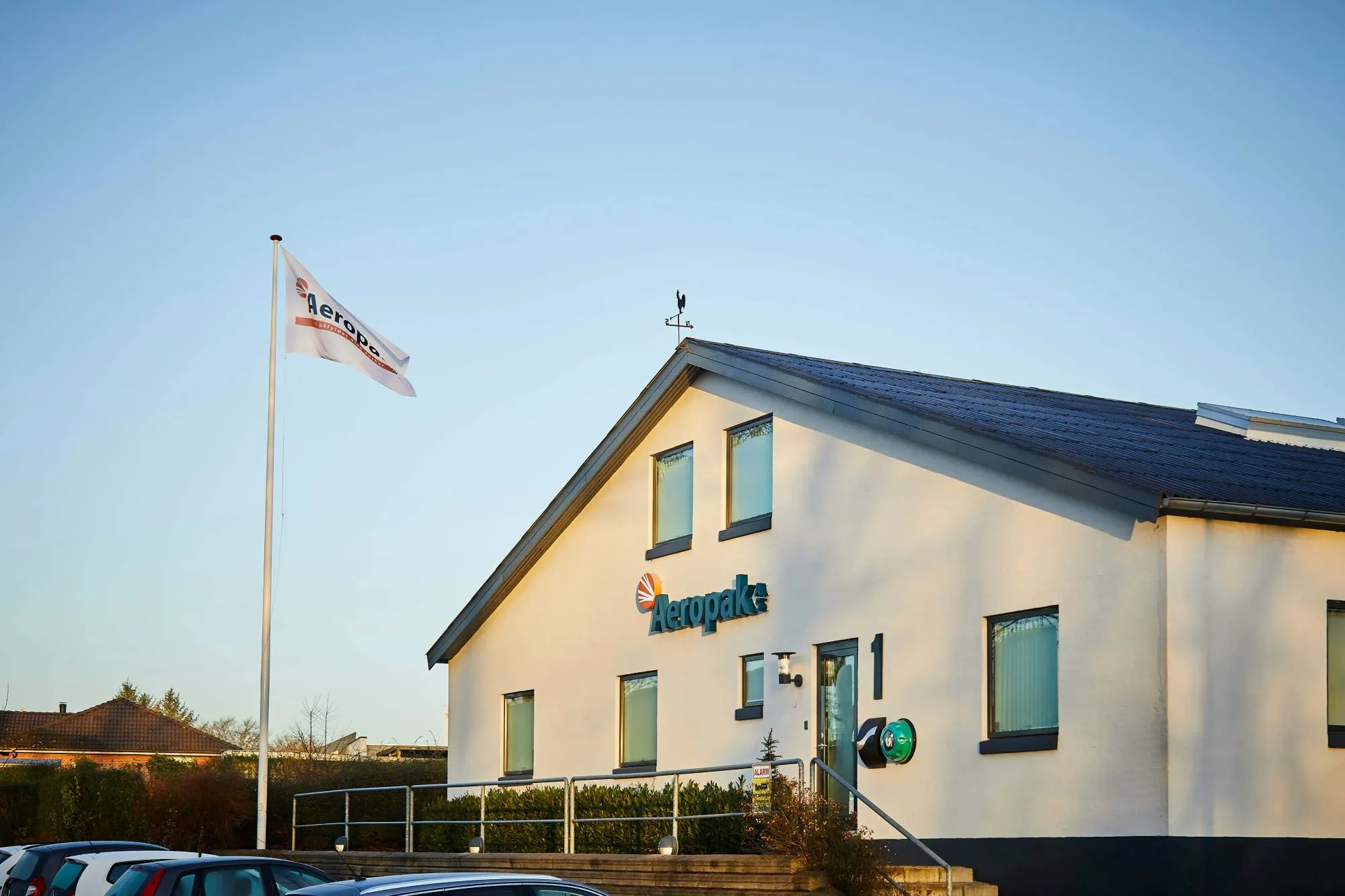
Aeropak: building in-house LCA capability
Aeropak began conducting life cycle assessments to prepare for upcoming ESG reporting requirements and to meet growing customer demand for environmental impact data. With Dawn, they replaced an Excel-based setup with a structured, maintainable LCA workflow they fully own in-house.
“Dawn made it possible for us to work with life cycle assessments in a structured way and get useful insights quickly”
Rasmus Abildgaard Lind, Head of Technical Department at Aeropak
The full story
We spoke with Rasmus Abildgaard Lind, Head of Technical Department at Aeropak, about Aeropak's journey from external consultants and Excel spreadsheets to owning their life cycle assessment workflow in-house.

Rasmus Abildgaard Lind
Head of Technical Department, Aeropak
What was the motivation for starting LCA work?
Our main motivation was to get ahead of upcoming ESG reporting requirements and to be able to provide environmental data to customers who are starting to request it.
Why did you decide to own the process in-house?
Since it wasn't a regulatory requirement yet, we initially worked with external consultants. But the goal was always to bring it in-house—so we could manage changes to packaging composition ourselves.
What were you looking for in a software solution?
Ease of use, transparency in data and assumptions, the ability to work independently in the system, and something realistic for an SME to implement and maintain long-term.
Why did you choose Dawn?
We had previously used an Excel-based tool provided by consultants, but it didn't work as expected. It relied heavily on copy-paste between sheets, which made it hard to trace numbers back to their source or keep track of changes. That's what led us to look for a better alternative.
What internal effort did the process require?
The LCA work itself was demanding—data collection, quality assurance, and cross-functional collaboration between engineering, sales, and procurement. Getting started with Dawn, on the other hand, was straightforward since the groundwork had already been done. Moving from a complex setup to an intuitive system was easy.
Was there anything that surprised you?
How difficult it can be to find the right dataset in Ecoinvent. You almost never find a perfect match—you find the one that's the least wrong. The number of assumptions needed for a “complete” report was also surprising; very few companies have all the relevant data available yet. That said, the integration between Ecoinvent and Dawn worked really well.
Have there been any indirect benefits?
Definitely. We now have better data structure, a stronger internal understanding of sustainability across teams, and a much clearer picture of where to focus to reduce our environmental footprint.
What advice would you give other SMEs getting started?
Keep all your data in one system and use Dawn's built-in automation and calculation features. Avoid maintaining a parallel spreadsheet. We learned that the hard way after starting with an Excel tool. Also, allow time for supplier responses and be prepared to document assumptions where primary data isn't available yet.
Key outcomes
Hotspot clarity
Better understanding of which impact drivers matter most and which products contribute the largest share.
Better data structure
Improved structure and shared internal understanding of sustainability data across engineering, sales, and procurement.
Faster internal iteration
Changes in packaging composition or inputs can be handled without restarting or relying on external consultants.
A scalable foundation
A maintainable setup ready for ESG reporting, customer-facing documentation, and future marketing use.
